Property Registration System Development
Property Registration System Development for African Governments (2026 Guide)
- Written by
Shishu Yadav - Posted on
Jun 29, 2026
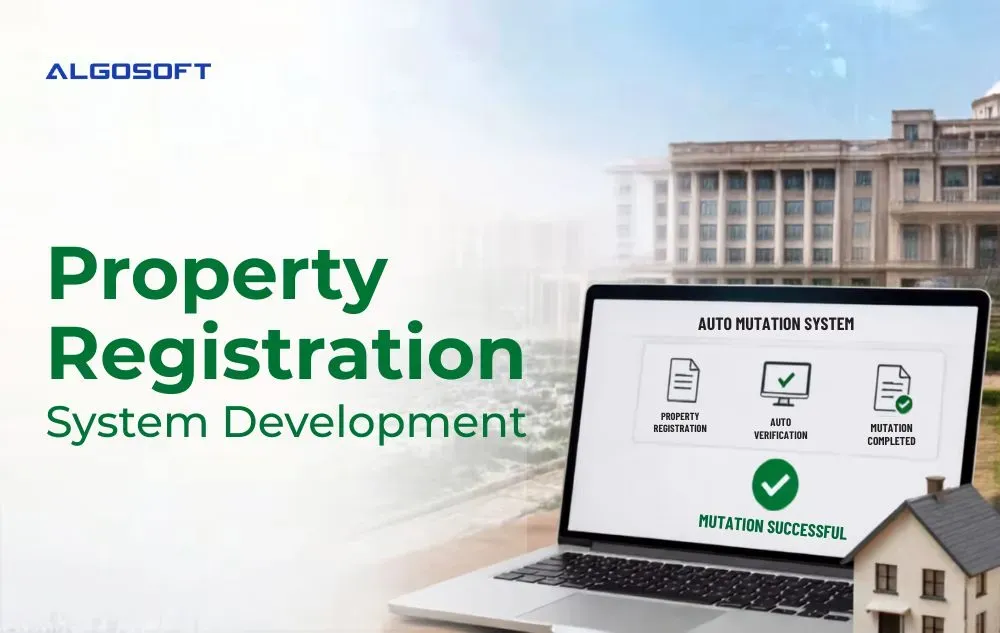
Registering property across much of Africa remains a slow, paper-intensive process that can take weeks or even months to complete — a stark contrast to the same-day or near-instant registration possible in countries with mature digital property registries. For governments across Nigeria, Kenya, Ghana, South Africa, Libya, and Somalia, property registration system development represents a direct opportunity to improve ease-of-doing-business rankings, increase property tax revenue, and reduce the fraud that thrives in poorly documented property markets.
This guide covers the core components of a modern property registration system, how it differs from broader land records management, realistic development costs, and how African governments can plan a successful digitization initiative.
While closely related, property registration and land records management serve distinct functions. Land records management focuses on parcel-level land ownership, boundaries, and tenure history — often including rural and customary land. Property registration typically focuses specifically on the formal legal registration of property transactions (sales, mortgages, transfers) and is most active in urban and peri-urban real estate markets where formal title is already established. Many governments build these as integrated but distinct modules within a broader land and property information system.
Ease of Doing Business — Property registration speed and cost are directly measured in international competitiveness rankings, and slow manual processes actively discourage real estate investment and development.
Mortgage Market Development — Reliable, fast property registration is a prerequisite for a functioning mortgage market, since lenders need confidence that registered title is accurate and enforceable before extending property-backed credit.
Property Tax Revenue — A complete, accurate digital property registry dramatically improves local government’s ability to assess and collect property taxes, a major underutilized revenue source in many African cities.
Fraud Reduction — Property fraud — including fraudulent sales of property the seller doesn’t actually own, or duplicate sales of the same property to multiple buyers — is a persistent problem in markets with poor record verification. Digital registries with real-time verification close this gap significantly.
1- Property Transaction Registration Digital workflows for registering sales, mortgages, leases, and transfers, replacing manual document submission and physical registry book entries.
2- Title Verification and Search A searchable digital registry allowing buyers, lenders, and legal professionals to instantly verify current ownership, encumbrances, and any pending disputes before completing a transaction.
3- Mortgage and Lien Registration Integrated workflows for registering mortgages and other liens against a property, ensuring lenders have a clear, legally enforceable record of their security interest.
4- Notary and Legal Document Integration Digital integration with the notarization and legal documentation processes required for property transactions in most African legal systems.
5- Property Valuation Database A historical record of property valuations and transaction prices, supporting both tax assessment and market transparency.
6- Property Tax Assessment Integration Direct connection between property registration data and municipal tax assessment systems, ensuring newly registered properties are automatically captured for taxation.
7- Fraud Detection and Duplicate Registration Prevention Automated checks that flag potential duplicate registrations or suspicious transaction patterns before they’re finalized.
A digital property registration system’s core value lies in its ability to create a single, authoritative, real-time source of truth for property ownership. Combined with Machine Learning Solutions for anomaly detection — flagging unusual transaction patterns, rapid resale flips, or registrations that don’t match historical ownership chains — governments can identify potential fraud before it’s finalized rather than litigating it years later in overburdened court systems.
| Project Scope | Estimated Cost Range (USD) | Typical Timeline |
| Single City/Municipality Pilot | $50,000 – $130,000 | 4–6 months |
| Regional Multi-City Platform | $150,000 – $400,000 | 9–14 months |
| Full National Property Registry | $400,000 – $1.2M+ | 14–24 months |
Nigeria — With property registration historically handled at the state level, Nigerian projects often need to support state-specific registration requirements while working toward eventual national interoperability.
Kenya — Kenya’s Ardhisasa platform has already moved significant land and property registration online in Nairobi, setting a benchmark that new system components need to integrate with rather than duplicate.
Ghana — Ghana’s Lands Commission has been pursuing a comprehensive land administration project, making integration between property registration and the broader national land information system a key design consideration.
South Africa — South Africa’s Deeds Registry system is relatively mature compared to other countries in this list, meaning new development projects often focus on modernizing and digitizing existing processes rather than building foundational registry infrastructure from scratch.
Libya — Property registration system development in Libya benefits significantly from modular, phased deployment given the institutional rebuilding context, allowing core registration functionality in major cities to go live before nationwide rollout.
Somalia — With formal property registration infrastructure still developing in much of Somalia, projects often start by establishing foundational registries in major urban centers like Mogadishu before expanding to secondary cities.
A property registration system is only as valuable as the public’s trust in its accuracy. Successful digitization projects typically include:
Public verification access— letting citizens check property status without requiring an in-person office visit
Clear migration communication— transparent processes for resolving discrepancies between old paper records and the new digital system
Grace period dual operation— running paper and digital systems in parallel briefly during transition to catch and correct migration errors
Independent audit of initial data migration— building public confidence that the digital registry accurately reflects legitimate historical ownership
Generic property registration software exists, but most African governments achieve significantly better outcomes with a custom software development approach because:
Algosoft’s enterprise software development practice supports government clients building exactly this kind of high-trust, high-stakes public infrastructure, with rigorous data integrity and security practices built in from the start.
How long does it take to build a property registration system?
A single city or municipality pilot can launch in 4–6 months, while a full national property registry typically takes 14–24 months depending on the volume of historical records requiring migration.
How much does property registration system development cost?
Costs range from roughly $50,000 for a single-city pilot to $1.2 million or more for a comprehensive national property registry platform.
How is property registration different from land records management?
Property registration focuses specifically on formal legal transactions — sales, mortgages, transfers — typically in urban real estate markets, while land records management covers broader parcel ownership and boundary data, including rural and customary land.
Can a digital property registry help reduce property fraud?
Yes — a single, authoritative, real-time registry with automated duplicate detection and anomaly flagging significantly reduces the fraudulent sales and double-registration schemes common in markets relying on paper records.
Does property registration digitization improve municipal tax revenue?
Substantially. A complete, accurate digital property registry gives municipal governments far better visibility into taxable property, directly improving property tax assessment and collection.
Property registration system development delivers some of the most measurable returns of any digital government investment — faster transactions, reduced fraud, stronger mortgage markets, and improved tax revenue. Whether you’re planning a pilot in a single city like Lagos or Nairobi, or a comprehensive national rollout across South Africa or Ghana, the right development partner brings both legal-process understanding and rigorous data security practices to a project this consequential for citizens and the broader economy.
Ready to scope a property registration project for your government? Talk to Algosoft.
Typically replies instantly
Share this article