Customs Management System Development
National Permit Management System Development for African Governments
- Written by
Shishu Yadav - Posted on
Jun 29, 2026
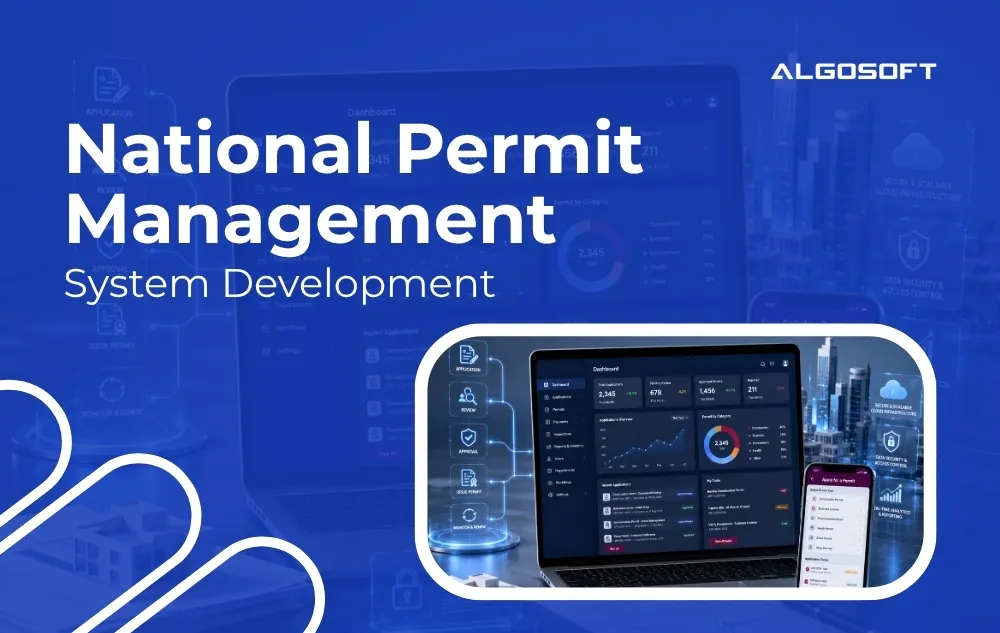
Permits and licenses touch nearly every interaction between citizens, businesses, and government across Africa — from business operating licenses in Lagos and Nairobi to construction permits in Accra, mining and environmental permits in South Africa, and import or trade permits in Libya and Somalia. Yet in most African countries, permit issuance still relies heavily on manual paperwork, in-person office visits, and processes that can take weeks or months to complete.
A modern national permit management system development changes that equation entirely — digitizing application, review, approval, and renewal workflows across every permit category a government issues. This guide covers what a comprehensive permit management platform includes, realistic development costs, and how African governments can plan a successful digitization project.
Ease of Doing Business Rankings — Permit and license processing time is a direct input into World Bank Ease of Doing Business-style assessments, and slow manual processes actively discourage both domestic and foreign investment.
Revenue Collection — Digitized permit systems with integrated payment processing close common revenue leakage points where permit fees are collected informally or inconsistently.
Anti-Corruption — Removing in-person, discretionary decision points from permit approval workflows significantly reduces opportunities for bribery and informal “facilitation fees” that burden citizens and businesses alike.
Cross-Agency Coordination — Many permits — particularly construction and environmental permits — require sign-off from multiple agencies. A unified digital system eliminates the duplicate paperwork and lost-in-transit documents that plague manual coordination between departments.
Multi-Tenant Architecture for Multiple Permit Types Rather than building separate systems for business licenses, construction permits, and trade permits, a well-architected platform uses a configurable, multi-tenant approach that lets new permit categories be added without rebuilding core infrastructure — a significant long-term cost saving for governments managing dozens of distinct permit types.
Mobile-First Design Given high mobile penetration relative to desktop internet access across much of Africa, a permit management portal needs to function smoothly on mobile devices, not just desktop browsers.
Integration with National ID and Business Registries Connecting the permit system to existing national ID databases and business registration systems eliminates redundant data entry and reduces fraudulent applications using fabricated identity or business information.
Offline Capability for Regional Offices For permit categories processed through regional or district offices with limited connectivity — common in parts of Kenya, Ghana, and Somalia — offline-capable functionality with periodic synchronization is an important design requirement.
| Project Scope | Estimated Cost Range (USD) | Typical Timeline |
| Single Permit Category Pilot (e.g., business licenses) | $40,000 – $100,000 | 3–5 months |
| Multi-Category Platform (5–10 permit types) | $150,000 – $400,000 | 8–14 months |
| Full National Permit Ecosystem (all permit categories, multi-agency) | $400,000 – $1M+ | 14–22 months |
Nigeria — With a federal structure spanning multiple states each issuing their own subset of permits, Nigerian permit system projects often need to balance national standardization with state-level configuration flexibility.
Kenya — Kenya’s eCitizen platform has already shifted public expectations toward digital government services, making permit system usability and speed a key competitive consideration for any new platform.
Ghana — Ghana’s growing digital government infrastructure, including the Ghana.gov platform, creates a strong foundation for integrating a national permit system with existing citizen-facing digital services.
South Africa — South Africa’s more complex regulatory environment, particularly around environmental and mining permits, typically requires more sophisticated multi-agency workflow configuration than other countries in this list.
Libya — Phased, modular permit system deployment is particularly valuable in Libya’s post-conflict institutional context, allowing core permit categories to go live before broader system integration is achieved.
Somalia — Permit digitization in Somalia often starts with foundational business licensing and trade permit categories, given the relatively earlier stage of broader digital government infrastructure compared to other countries in the region.
Generic permit or licensing software exists, but most African governments find that a custom software development approach delivers significantly better long-term outcomes because:
Algosoft’s enterprise software development capability supports government clients building exactly this kind of large-scale, multi-stakeholder digital infrastructure, with structured discovery and phased delivery designed to de-risk large public sector technology investments.
How long does it take to build a national permit management system?
A single permit category pilot can launch in 3–5 months, while a comprehensive multi-agency platform covering all permit types typically takes 14–22 months.
How much does permit management system development cost in Africa?
Costs range from roughly $40,000 for a single permit category pilot to $1 million or more for a full national ecosystem covering multiple agencies and permit types.
Can a permit system reduce corruption in the application process?
Yes — removing discretionary, in-person decision points and creating a transparent digital audit trail for every application significantly reduces opportunities for informal fees and bribery throughout the permit approval process.
Does a permit management system need to integrate with other government systems?
Ideally, yes. Integration with national ID databases, business registries, and revenue collection systems eliminates duplicate data entry and reduces fraudulent applications.
Can the system support multiple permit types on one platform?
A well-architected, configurable workflow engine allows a single platform to support business licenses, construction permits, environmental clearances, and other permit categories without requiring separate systems for each.
A national permit management system is one of the highest-leverage digital government investments an African country can make — directly improving ease of doing business rankings, reducing corruption opportunities, and freeing citizens and businesses from weeks of unnecessary paperwork. Whether you’re planning a focused pilot for business licensing in Ghana or a comprehensive national platform spanning every permit category in Nigeria or South Africa, the right development partner makes the difference between a successful rollout and a stalled initiative.
Ready to scope a permit management system for your government? Connect with Algosoft.
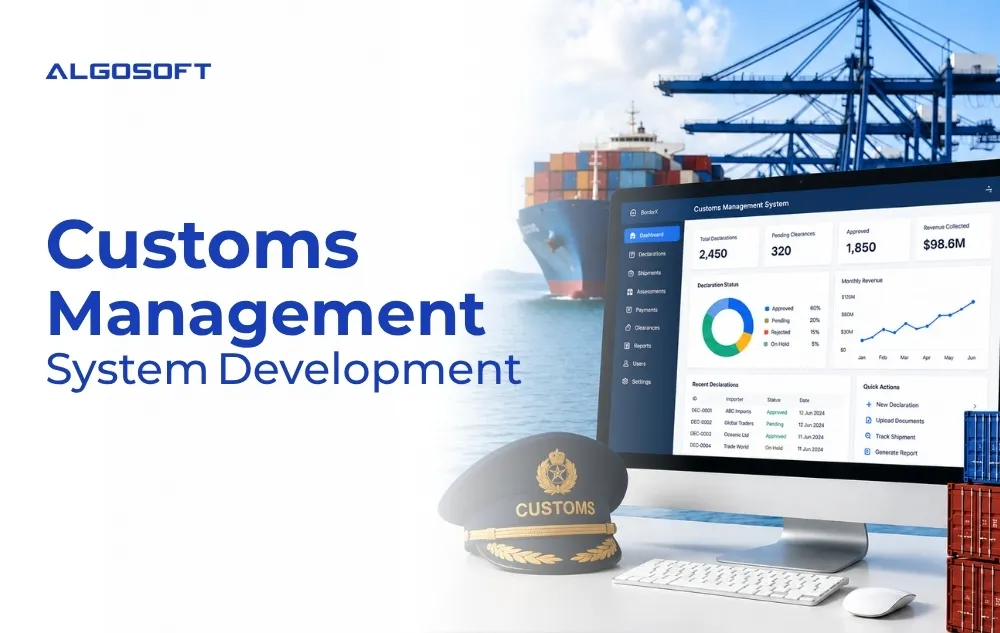
Africa’s trade volumes are growing faster than most legacy customs infrastruct..
Typically replies instantly
Share this article